
Online Property Auction Platforms and Listings
Key Platforms and How They Operate
In the shadowed glow of screens, online auctions are rewriting how South Africans buy property. A recent survey shows 60% of buyers in SA begin with online listings, tapping into the live pulse of the market before stepping foot inside.
Online platforms crowd-surf listings, with Property24’s auction section leading the charge. They host photos, floor plans, reserve statuses, and countdowns, while the bidding engine runs in real time, letting buyers sense the room without leaving their chair. In the property 24 auction landscape, listings surface with clear timelines and seller notes.
Listings on property 24 auction and similar platforms typically offer these features:
- Transparent bidding histories
- Clear reserve indicators
- Access to due diligence documents
From first glance to the moment the gavel sounds, the online auction floor hums with possibility, a bit of magic and market-matter entwined on the property 24 auction stage.
Finding and Evaluating Listings
In South Africa’s nocturnal property market, online auctions keep the flame alive. property 24 auction anchors the flow, with live bidding that shivers through a quiet room and into the morning. Listings arrive dressed in photos, floor plans, and seller notes, inviting careful eyes to wander and listen to the market’s quiet heartbeat.
- Title deeds and encumbrances
- Condition notes, disclosures, and certificates
- Accessible reports on zoning, property taxes, and municipal data
Where the glow of the screen meets the whisper of the room, I hear the market’s gravity in every listing—a doorway safer and stranger with each click, inviting readers to linger between dream and deed.
Platform Fees, Registration, and Verification
From the glow of the screen to the hush of a bidding room, online platforms shape a different kind of property hunt. property 24 auction anchors this nocturnal rhythm, turning careful clicks into morning opportunities and letting South African buyers test markets without leaving their chairs.
Registration opens the gates to live bidding, while verification protects the process—identity, address, and funding sources are confirmed before a bid becomes binding. On property 24 auction, clear steps and supportive staff guide you through every check.
Fees on these platforms are transparent, though layered. Buyers and sellers should read the small print so nothing surprises.
- Listing or hosting fees depending on the listing type
- Buyer’s premium or bidding surcharge on successful bids
- Registration, verification, or withdrawal costs where applicable
With safeguards, clean interfaces, and an auditable trail of transactions, online property auctions offer a brave yet grounded path to ownership in SA’s evolving market.
Local vs National Auction Sites: Which to Choose
Across South Africa’s dawn-lit screens, online property journeys feel less like a hunt and more like a procession through a living map. Local listings whisper about street-level quirks and recent transactions, while national platforms hum with a chorus of investors, ready to view every corner of the market.
Platform choice matters: property 24 auction sits at the crossroads, offering crisp local insight alongside broad reach! Where you list and where you bid shape your rhythm, not just your result.
- Local nuance and precise property data
- Investor exposure and bidding activity
- Balanced timelines and transaction trails
Between town and township, the choice of platform becomes a mapmaker’s decision, guiding you through quiet auctions and bustling rounds with equal courtesy.
Participating in Auctions: Buyer’s Guide
Registration, Verification, and Account Setup
Registration is the gatekeeper in the SA auction room, where speed and legitimacy collide—and a whisper of fate guides the bids. Within the realm of property 24 auction, buyers with a verified profile glide through checks faster than a bidding finger can twitch.
Verification in South Africa blends identity with financial credibility; platforms look for ID, address proof, and funding indicators to ensure settled transactions. This keeps the field level when the hammer falls.
Account setup brings the dashboard to life—secure login, notification preferences, and a tailored view of watchlists and upcoming lots help maintain control without distraction.
Deposit Requirements and Payment Options
“The bid is a moment of truth,” a seasoned SA auctioneer once told me. In property 24 auction, the real hinge isn’t the gavel alone but the readiness behind it—deposits and payment paths that turn ambition into ownership and risk into clarity.
Deposit requirements in this arena are practical: a deposit signals serious intent and is expected soon after the hammer lifts. Payment options favour traceable methods that withstand scrutiny and swift settlement.
- Bank transfers or EFTs to the auctioneer or conveyancer
- Certified bank cheques or guaranteed funds
- Pre-approved finance where contracts permit
Keep your options aligned with the settlement timeline, and you’ll find the process smoother in the property 24 auction landscape—where readiness and responsibility walk hand in hand.
Setting Budget, Bids, and Auto-Bidding
In the energetic arena of property 24 auction, the room’s tension is currency; “The bid is a moment of truth,” a seasoned SA auctioneer once told me! Enter this circle with a clear sense of price, risk, and the dream of ownership.
Setting Budget: Budgeting for participation means more than a number. In property 24 auction, anchor your ceiling and factor in transfer costs, fees, and settlement timelines. The goal is a disciplined line in the sand.
- Deposit timing and total you can commit
- Conveyancer fees and transfer costs
- Contingencies and liquidity for minor overages
Bids and Auto-Bidding: In the room, rhythm matters more than bravado. Many bidders find value in setting a max early, understanding bid increments, and using auto-bid to stay in play without constant monitoring.
What to Bid On: Property Types and Due Diligence
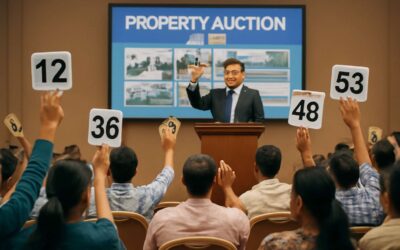
“The bid is a moment of truth,” a seasoned SA auctioneer told me, and in a property 24 auction room the energy is currency. Participating means weighing price, risk, and the dream of ownership. In South Africa, the circle moves fast—hands rise, numbers flash, and the room reads your resolve when the block is on the line.
Buyers need clarity on what to bid on and the kinds of properties that justify the risk. Here are common property types you’ll encounter:
- Residential homes and family towns
- Sectional title and cluster developments
- Freehold stands with development potential
- Commercial and mixed-use spaces
Due diligence anchors decisions: confirm title and seller authority, review rates, taxes, and levies, check zoning and building compliance, and peek for liens or restraints. This thoughtful scrutiny keeps the property 24 auction experience honest and navigable.
Auction Mechanics and Closing the Deal
Live vs Timed vs Hybrid Auctions
In South Africa’s evolving property scene, a single bid can redraw a life, from a kettle on the stove in a small town to grasses along a fence. property 24 auction sets the tempo, turning opportunity into momentum and momentum into a decision. The mechanics are simple: a contested offer, a clear response, and a moment when the hammer falls. But the real story is rhythm—how a buyer reads the room and how quickly the market can change in a heartbeat.
Live auctions bring immediacy; Timed formats stretch the suspense online; Hybrid models fuse both, letting remote bidders feel the room while a firm end date keeps momentum.
- Live: in-person, instant responses
- Timed: online, scheduled close
- Hybrid: best of both worlds
Reserve Price, No Reserve, and Bid Increments
In South Africa, a single bid can redraw a life in minutes. In the property 24 auction landscape, the mechanics are simple yet charged: Reserve Price anchors the room, No Reserve opens the field, and Bid Increments pace the action.
Consider these pillars that govern the closing drama:
- Reserve Price — the minimum the seller will accept; it anchors value and guides strategy.
- No Reserve — the room decides; the highest bid wins, regardless of price.
- Bid Increments — the rhythm of movement; smaller steps raise momentum and risk in equal measure.
Closing the Deal in this arena is a moment of clarity and nerve! When the hammer finally falls, the room’s rhythm resolves into a new doorstep, a future, and a story that began with a bid.
Winning and Post-Auction Procedures
In the property 24 auction landscape, a single bid can redraw a life in minutes, and momentum is the room’s true currency. The rhythm is taut: breath held, paddles up, and the gavel’s shadow looming as the crowd threads toward a decision that changes a street and a story.
Closing the deal is a moment of clarity and nerve. When the hammer falls, post-auction formalities take over—contracts, deposits, and the transfer workflow—guided by seasoned professionals who ensure the path from winning bid to front door remains purposeful and respectful of everyone’s interests.
Behind the theatre of bidding, post-auction procedures are the quiet engine that turns ambition into address. A well-managed process preserves suspense while turning a momentary into a lasting investment, even as the street watches and whispers about what comes next.
Legal Documentation and Transfer of Title
In the property 24 auction arena, seconds separate aim from address. Auction mechanics channel the room’s energy, and the closing moment tests nerve and clarity. When the gavel lands, the journey from bid to deed accelerates, and everyone feels it.
Legal documentation and transfer of title form the quiet backbone of the win. Conveyancers marshal contracts, confirm deposits, and lodge the transfer with the Deeds Office. The title moves from promise to possession with formal rigor.
- Contract of Sale or Agreement to Purchase
- Transfer documents and Deed of Transfer
- Proof of deposit and receipt
- Rates clearance and title deed verification
Final checks align the buyer’s name on the title, seal the seller’s obligations, and complete the record with the deeds registry. In South Africa, this process turns a momentary win into a lasting address—the essence of the property 24 auction experience.
Costs Beyond the Hammer: Fees and Taxes
That gavel sounds heroic, but the closing costs tell a truer tale. In a typical property 24 auction, the bid is the teaser—the deed comes with the fine print. Industry chatter pegs closing costs at roughly 8% to 12% of the sale price; as one conveyancer quips, ‘the bid ends at the hammer; the deed begins with the signatures.’
Auction mechanics convert raw energy into a signed transfer, and the room’s tempo tests nerve as the clock ticks and deposits verify. I’ve watched the room go from chaos to order as deposits clear and contracts land with the conveyancer! The process hinges on proper registration, the buyer’s premium, and the orderly handover of documents to the deeds registry, ensuring that what you win becomes what you own.
- Registration and bidding fees
- Buyer’s premium (auction house commission)
- Conveyancing and transfer costs
- Deeds Office and related filing fees
- Transfer duties and rates clearance where applicable
Due Diligence, Risk, and Compliance
Property Information Pack and Title Checks
At a property 24 auction, due diligence is less a luxury and more a fitness test for the nerves! In South Africa, around 1 in 5 auctioned properties hides a title snag or encumbrance that only a proper walk-through uncovers. The Due Diligence, Risk, and Compliance Property Information Pack and Title Checks are your compass and lantern, signaling where the cliff edges lie and how clean the title will be at transfer.
Within the pack, these elements shape whether the deal is a bold gamble or a sound bet.
- Title deed, registered encumbrances, and any bonds
- Rates, taxes, and municipal charges outstanding
- Building plans, zoning, and planning approvals
- Electrical compliance certificates and other statutory certificates
- Existing leases, tenant arrears, and rental terms
Handled with care, they translate risk into clarity—a survival kit for the property market.
Property Condition, Zoning, and Compliance
In a South African property 24 auction, due diligence is a pulse check for nerves. The property condition and zoning status act as your compass and lantern, revealing where stress points lurk and where a clean transfer might glow under scrutiny.
Key considerations under Due Diligence, Risk, and Compliance include assessing the physical state of the structure, alignment with planning schemes, and whether current use matches the zoning. The aim is to translate uncertainty into clarity—so you can gauge whether a bargain carries hidden costs or a protected pathway to ownership.
To streamline insight, a compact checklist can help:
- Structural health and safety implications
- Zoning overlays and permissible uses
- Compliance with building codes and municipal requirements
- Environmental constraints and servitudes
Housing Regulations, Zoning, and Restrictions
In a South African property 24 auction, the line between opportunity and liability is drawn by due diligence—a pulse check, a moral ledger. Housing regulations, zoning, and restrictions aren’t abstractions; they decide who owns a dream and who pays the price later. I’ve learned to listen to the quiet rules!
To translate risk into clarity, a compact compass helps.
- Zoning overlays and permissible uses
- Compliance with building codes and municipal requirements
- Environmental constraints and servitudes
- Structural health and safety implications
In the end, compliance isn’t a cage but a map—a line of sight through murk, revealing hidden costs and protected pathways to ownership in a property 24 auction. Clarity arrives when responsibilities are read as realities, not obstacles.
Financing Readiness and Appraisal
Opportunity at a property 24 auction wears a halo that can fade fast if diligence lags. We measure risk with a steady pulse: financing readiness, appraisal accuracy, and a clear compliance compass. A seasoned observer once whispered, ‘The fine print writes the final price.’
- Financing readiness: a landscape of pre-approvals, liquidity buffers, and a realistic payment timetable.
- Appraisal discipline: emphasis on current market comparables, replacement costs, and timing plans.
- Compliance check: clarity on municipal approvals, contractual obligations, and disclosures.
- Risk budgeting: funds reserved for hidden costs, maintenance, and transfer taxes.
When these threads are woven, due diligence becomes a map rather than a cage, guiding you through the labyrinth toward credible ownership in auctions.
Risk Mitigation: Contingencies and Warranties
In the auction world, due diligence is the difference between fireworks and a damp squib, and at property 24 auction it’s the difference between confident ownership and a costly lesson.
Due diligence, risk, and compliance risk mitigation hinge on smart contingencies and sturdy warranties that survive the closing stampede. I treat title searches, municipal approvals, and disclosures as chapters in a legal thriller, especially in South Africa’s property market.
A compact risk toolkit includes these contingencies and warranties:
- Title clearance contingency: ensures transfer readiness and clears encumbrances before funding moves from dream to deed.
- Property condition warranty: covers known defects and material disclosures to protect against post-auction surprises.
- Compliance warranty: confirms zoning, building approvals, and municipal by-laws are satisfied, reducing regulatory shocks.
With these threads tied, risk becomes navigable rather than paralyzing—and the path to credible ownership glimmers a little brighter in the auction room.



0 Comments