
Alicante property auction overview
What is a property auction in Alicante?
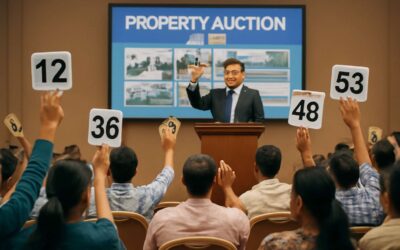
Alicante’s property auction alicante scene is where high-stakes drama meets sun-soaked Spain—and it moves fast enough to outpace a siesta. Bidders flood into bright rooms, paddles up, and in minutes a property can switch from maybe to mine. It rewards prep, nerve, and a dash of theatre!
What is it? It’s a formal sale where eligible properties are offered to the highest bidder on auction day, often with a reserve and clear title documents. For South African buyers, it’s a way to access European real estate quickly, with less negotiation and more momentum.
- Registration and catalog checks
- Due diligence on title and liens
- Bidding day logistics and bidding increments
- Post-auction transfer timelines
For readers in South Africa curious about property auction alicante opportunities, due diligence matters more than luck: verify titles, understand tax implications, and align transfer timelines before you raise a paddle.
Key differences between auctions and traditional purchases
In the property auction alicante landscape, momentum has grown with a double-digit spark, turning sunlit rooms into fast-paced theatres where a bid can flip a property from dream to done in minutes. The cadence is brisk, the air electric, and every paddle raise feels like a small sunrise.
Key differences between auctions and traditional purchases surface quickly, shaping how buyers move and think. Here are the contrasts that tend to matter most:
- Speed and finality: rapid close and clear title.
- Price discovery: reserve and increments guide bidding.
- Due diligence: verify liens and documents before bidding.
- Transfer timelines: streamlined steps aligned with local rules.
For South African readers, the property auction alicante format offers momentum with clarity and pace, a blend of theatre and transaction that invites bold, deliberate choices.
Common property types sold at Alicante auctions
Sunlit auctions across Alicante illuminate a swift path from interest to ownership. In the property auction alicante landscape, momentum is a currency, and a single paddle lift can flip aspiration into a signed contract before the afternoon heat fades.
Common property types sold at Alicante auctions reflect the region’s diverse appeal, from coastal retreats to urban havens. For South African buyers, the format blends theatre with clarity and pace.
- Apartments and penthouses with sea views
- Townhouses in tranquil inland enclaves
- Villas with pools in gated communities
- Commercial units in growing districts
Each category carries its own due diligence, pricing cues, and transfer timelines, all punctuating the theatre with clear steps to completion.
Typical costs: fees, deposits, and taxes in Alicante auctions
At a property auction alicante, momentum is as tangible as the sea breeze—the paddle lift can turn a morning bid into a signed contract by noon. A candid bidder once told me, “the room’s tempo makes the truth clear: you either walk away with a deed or you walk away wiser.” For many South African buyers, the format blends theatre with speed, underscoring the need to plan every euro from the first paddle to the final signature.
Typical costs surface quickly and shape budgets. Here are the core items to expect in the property auction alicante:
- Deposit: typically 5–10% of the final bid
- Buyer’s premium: commonly 1–3% of the bid or a fixed fee
- Notary and registry fees: roughly 0.5–1.5% of the purchase price
- Taxes: ITP (or VAT) and AJD, often around 8–12% depending on the property and whether it’s resale or new
Legal framework for property auctions in Spain
Title due diligence and chain of title checks
As the saying goes, the chain of title can make or break a bid. Spain’s legal framework for property auctions rests on the Ley de Enjuiciamiento Civil and the Registro de la Propiedad, protecting bidders. For property auction alicante, due diligence isn’t optional.
Title due diligence and chain checks guard against encumbrances and uncertain ownership. For South African buyers, this is the playbook: a nota simple from the Registro de la Propiedad shows who owns the title and what sits on it—mortgages, liens, embargos. Verify the seller’s authority and cross-check urban planning for any unpermitted works.
Key checks to perform
- Obtain a nota simple to confirm ownership and encumbrances
- Review cargas: hipotecas and embargos that could transfer to you
- Verify urban planning status and required licenses
Auction terms and conditions you must understand
The legal spine of Spain’s property auctions is sturdy and merciless. In a property auction alicante, bidders navigate the Ley de Enjuiciamiento Civil and the Registro de la Propiedad, where transparency shines and encumbrances are laid bare. For South African buyers, grasping how these authorities govern title—and the utility of a nota simple—is less a choice than a compass in a murky fog.
- Reserve price and sale method
- Deposit requirements and payment deadlines
- Auto-adjudication rules and final adjudication
- Transfer of ownership and transfer costs
Each clause of the terms is a small omen: who bears costs, when ownership transfers, and how disputes are resolved. Understanding them is not mere pedantry; it is the armour that keeps a bidder from being pulled under when the room falls silent!
Notary involvement and Land Registry role in Alicante
Spain’s legal spine for property auctions rests on the Notary’s seal and the precise recording of titles. In Alicante, the Notary’s involvement isn’t a mere formality; it’s the authority that authenticates bidding, confirms the deed, and certifies the transfer when the hammer falls. This is the backbone that keeps the process transparent and enforceable, a vital compass for South African buyers stepping into the property auction alicante landscape.
- Notary involvement: validates auction deeds and sequence of adjudication, safeguarding both bidders and vendors.
- Registro de la Propiedad: records title, checks encumbrances, and establishes the official chain of ownership.
- Nota simple: a current snapshot of status, charges, and rights—essential reading for due diligence.
When the dust settles, the legal framework ensures ownership transfers cleanly and costs stay transparent, reinforcing confidence in the property auction alicante experience for international buyers.
Reserve prices, bids, and contract signing
Every property auction alicante carries its own weather—watchful bidders, a potential bargain, and the rustle of paper when the reserve price lifts the curtain on opportunity. The reserve price sets a floor, protecting sellers while inviting genuine bidders to step forward. For South African buyers, that clarity is a compass in a new landscape.
- Reserve price and floor thresholds
- Bids, increments, and adjudication
- Contract signing and the path to deeds
Bids unfold in public, in clear increments, and the moment a bid clears the floor, adjudication is declared and the road to ownership begins. After adjudication, a provisional contract is signed and a deposit paid. The final escritura is drawn up under public notice and the balance becomes due within a defined window, ensuring a transparent transfer for property auction alicante.
How to participate in Alicante property auctions
Step-by-step bidding process in Alicante auctions
In the hushed hall where the gavel’s echo carves the air, bidders breathe in shadows and risk. For South African buyers, a property auction alicante unfolds like a moonlit corridor to European real estate, where daylight delays meet dream homes. “The hammer knows,” a murmured truth rides the room’s hush.
Participation steps unfold like a ritual:
- Register your profile with the auction house and show proof of funds.
- Review the catalog, arrange inspections, and confirm eligibility.
- Join the live or online bidding, and place your opening offer with calm resolve.
- When the hammer falls, complete the formal paperwork through the proper authorities.
Registration, documentation, and eligibility
In Alicante, every property auction is a test of readiness—and decisions land in minutes. For South African buyers entering the property auction alicante market, the path hinges on three pillars: registration, documentation, and eligibility. The more you align these early, the smoother the process on auction day!
- Registration with the auction house, creating a bidder profile and login access
- Proof of funds and any required financial declarations
- Documentation checks and authority verifications to confirm eligibility
With these in place, you enter the hall or the platform with calm confidence.
Budgeting, valuations, and bidding strategy
Precision outpaces impulse when the gavel hovers over a property in Alicante. Budgets must be carved in stone before doors open—your ceiling is the compass, nerves the fuse. A measured plan keeps excitement from eclipsing the numbers.
Valuations hinge on sober scrutiny: compare recent sale prices, assess renovation costs, and weigh proximity to transport and amenities. For South African buyers, factor currency fluctuations and international transfer timelines into the budget—headwinds that narrow margins before the bid starts.
- Set a hard maximum and stick to it
- Budget for closing costs beyond the hammer
- Study bidding increments and room tempo
Strategy on the day is a careful choreography. Begin with a cautious opener, then hold steady, letting others reveal momentum. When the moment arrives, place measured increments and exit at your ceiling—this is the property auction alicante.
Due diligence before bidding: inspections and encumbrances
In the tense theater of a property auction alicante, due diligence is the quiet negotiator between impulse and intelligence. A recent pulse on European auctions shows that buyers who invest time in checks secure steadier outcomes, while rushed bids falter. It’s not glamour, it’s gravity—the belief that a title and a plan cohere long after the gavel falls.
Before bidding, inspections and encumbrances stroll side by side in the mind: structural integrity, moisture, systems, and the legal tangle of liens, easements, or pending claims. A catalogued set of documents, from registry extracts to encumbrance certificates, forms the backbone of certainty.
To crystallize due diligence, consider these core elements:
- Structural and safety inspections
- Encumbrance checks: liens, easements, pending claims
- Title review and chain of title clarity
This composed gaze guides participation, balancing past records with future possibilities.
Pros and cons of buying at auction in Alicante
Potential cost savings vs risk of losses
In the cutthroat rhythm of a property auction alicante, bargains arrive—fast, precise, merciless. Speed can unlock savings, but risk isn’t obvious until the ink dries. Auctions reveal character as much as price, testing nerve and conscience alike.
Pros that matter to buyers include:
- Potential cost savings when the final bid sits below typical market value.
- Faster closure with defined deadlines, helping you lock in a budget.
- A straightforward path to contract signing once the hammer falls.
Yet cons demand honest reckoning: the room’s energy can push you beyond prudent limits, and hidden defects or encumbrances may surface after purchase. Financing delays can disrupt settlement for buyers who misjudge liquidity.
For South African investors, cross-border appeal comes with currency and legal nuances that color risk and reward in a property auction alicante.
Property condition and post-auction repairs
In the property auction alicante arena, the hammer writes its own verse: bargains arrive with breathless speed, and then reveal their deeper costs. The rush can tighten the budget, yet it also sharpens the senses—a test of nerve and judgment as much as a price tag. A house may glitter at the moment of sale, only to confess its flaws in the quiet aftercare.
- Hidden defects such as structural cracks, damp, or antiquated wiring await post-auction reveals.
- Unmet permits or drainage issues can demand urgent attention before occupancy.
- Repairs and upgrades often trigger scheduling with contractors and timing of funds, delaying settlement.
Beyond the bid, the true work begins. Prepare for repairs, secure reputable trades, and keep a flexible timetable; for South African buyers, currency swings can colour every decision as surely as the property auction alicante sun on whitewashed stone.
Market timing and price volatility in Alicante
Industry data suggests auctions move 25% faster than traditional buys, yet price volatility can still bite. In the property auction alicante landscape, the hammer delivers speed and clarity—win the bid and ownership follows quickly, with fewer delays. Pros include potential bargains and a straightforward process; cons include heated competition that inflates prices and post-auction bills for repairs that surface after closing.
Market timing in Alicante can be mercurial: a sunny spell can push prices upward as fast as the sun climbs the whitewashed walls. For South African buyers, rand swings colour every decision during a property auction alicante. The real risk isn’t the hammer price but what appears after—repairs, permits, and maintenance can demand attention before occupancy, while rapid bidding can threaten budget discipline. A measured, flexible approach helps navigate the volatility.
Avoiding common auction pitfalls and misinterpretations
In the realm of property auction alicante, speed wears a silver mask and clarity cuts like a blade. Bids can reveal value fast, offering potential bargains and a straightforward path to ownership when terms stay tight. The process feels decisive, often chaining less to negotiation and more to a punctual timetable—perfect for those who savour swift, certain outcomes.
Yet the other side darkens the doorway: competition can inflame prices, and unseen costs lurk after the hammer falls. For South African buyers, rand swings colour every decision, threatening budget discipline. Post-auction repairs, permits, and maintenance demand attention before occupancy, so the hammer price is only part of the ledger.
- Hidden repairs and maintenance costs revealed after occupancy
- Strict settlement timelines that squeeze cash flow
- Overbidding in a fast market eroding budget discipline



0 Comments